Healthcare is going digital, and it’s happening fast. ADHD markets are growing at 9.27% CAGR through 2028. Adult ADHD prescriptions in England doubled between 2020–2023. “Menopause supplements” gets 23,900 monthly searches. “Private menopause clinic near me” hits 8,300.
The numbers don’t lie—patients want digital-first healthcare. But here’s the problem: most existing providers are stuck in the dark ages with poor UX, no real digital presence, and weak conversion funnels.
ADHD has exploded into a major digital health vertical. Women are increasingly getting diagnosed after decades of historical underrecognition, driving massive demand for specialist services. But when patients search for “ADHD assessment near me,” what do they find? Clunky websites, hidden pricing, and booking systems that belong in 2005.
This isn’t just about ADHD—it’s symptomatic of an entire healthcare sector that’s failing to meet digital expectations.
Patients are actively searching for solutions. They’re ready to pay. But most providers are invisible online or offer such poor user experience that conversion rates crater.
Mental Health: Ieso delivers typed CBT via online chat with NHS partnerships. Kooth provides anonymous digital therapy for youth. SilverCloud offers self-help CBT modules for stress and anxiety.
Home Diagnostics: Medichecks offers 300+ blood tests by post. Thriva provides tailored health tests with subscription monitoring. Both have built entire businesses around convenience and transparency.
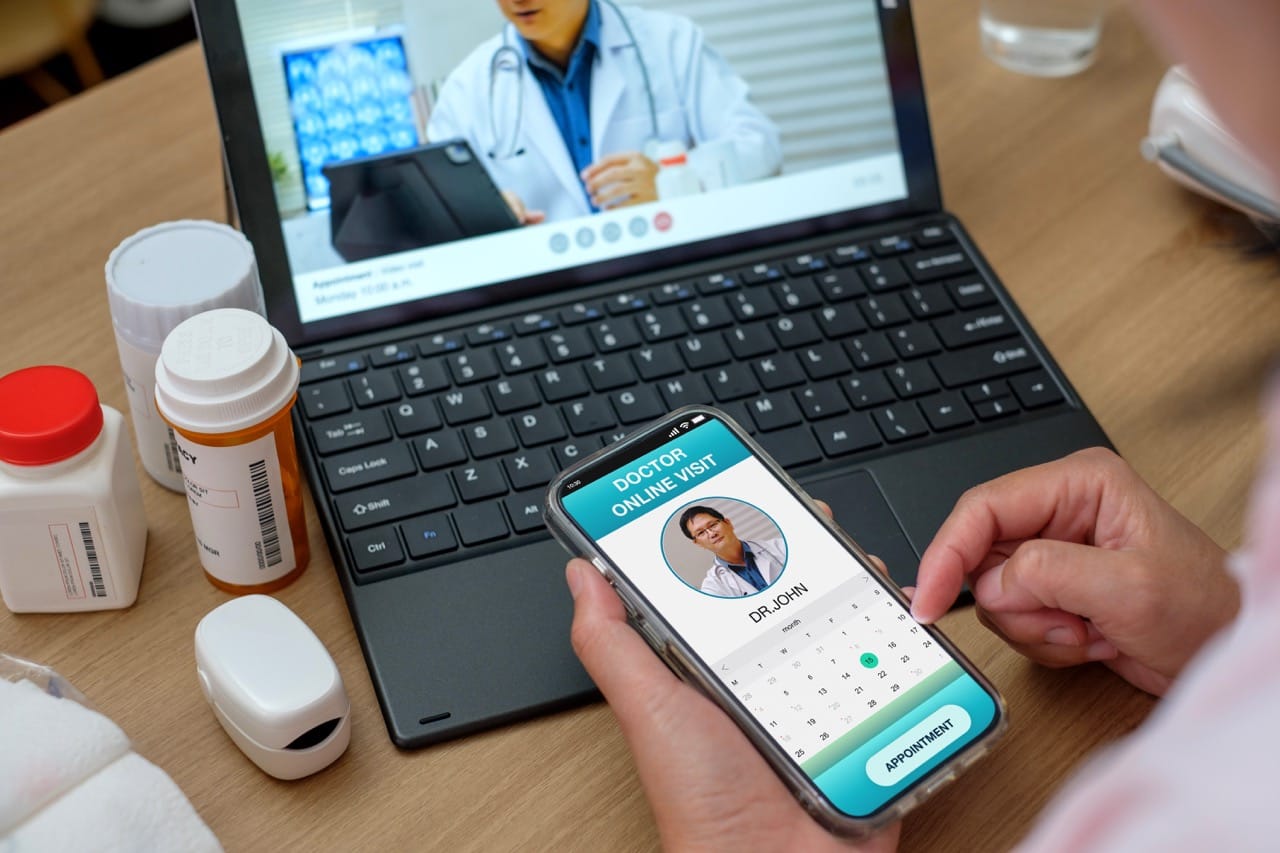
Virtual Care: Spire and OneWelbeck now offer digital-first consultation models, recognising that millennials and Gen Z prefer digital, transparent healthcare over traditional face-to-face appointments.
Millennials and Gen Z don’t just prefer digital healthcare—they expect it. They trust NHS websites and digital-first providers more than traditional clinics. Personalised, fast access with good UX outweighs any loyalty to established providers.
This generation wants:
Here’s what converts: condition-focused content that educates around specific conditions performs better than sales-led advertising. Most traffic enters healthcare sites via symptom or condition keywords, not provider names.
Patients want to understand their symptoms, explore treatment options, and make informed decisions. They don’t want to be sold to—they want to be educated.
Typed therapy services like Ieso and Kooth are reducing stigma and waiting lists by removing the in-person requirement. This isn’t just about convenience—it’s about accessibility. Many patients who would never book a face-to-face appointment will engage with digital therapy platforms.
The lesson? Digital delivery models don’t just improve efficiency—they expand your addressable market.
Most existing private clinics have poor UX, no real digital advertising presence, and conversion funnels that leak patients at every stage. This creates enormous opportunities for providers who understand digital-first healthcare delivery.
The digital health revolution isn’t coming—it’s here. Providers who don’t adapt will get left behind by patients who have better options.
Success requires:
This transformation demands expertise in digital strategy, user experience design, content production, and conversion optimization. It’s exactly the kind of comprehensive digital challenge that requires fresh thinking and proven execution capability.
We don’t just build websites—we create customer-centric digital experiences that convert. Our expertise in digital strategy, UX design, content production, and conversion optimisation helps healthcare providers bridge the gap between patient expectations and digital delivery. Let’s talk about your next move.