



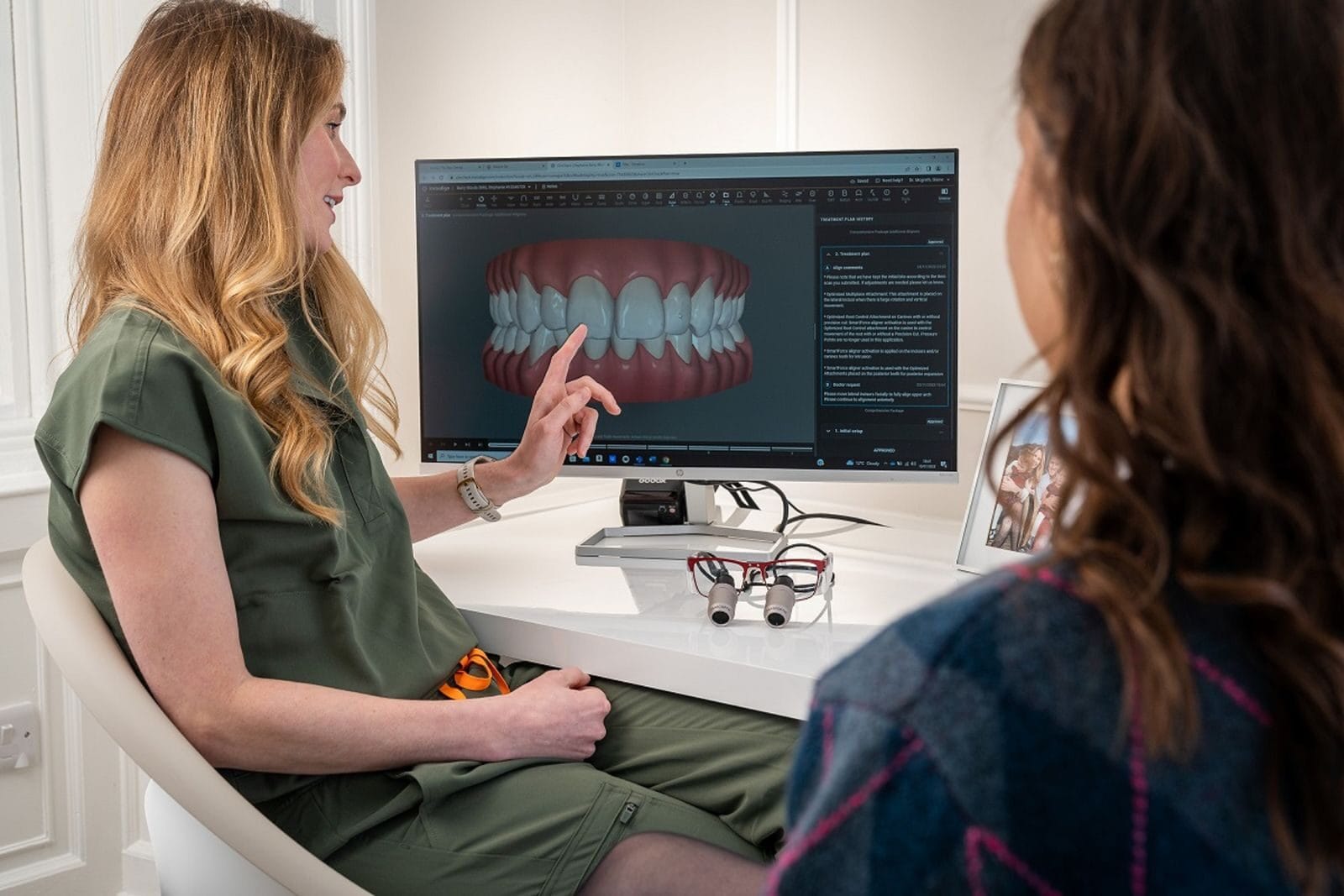
Dental marketing for high value treatments should help practices attract more of the treatments they want to grow, improve the quality of enquiries and help suitable patients progress from interest to treatment. For many UK practices, simply promising more appointments is too generic because the bigger commercial opportunity sits inside the demand they already have.
UK dentistry already has substantial underlying demand. General Dental Council research found that only 32% of people were confident they could access dental care when needed. The Competition and Markets Authority says 1 in 5 people in Great Britain used private dental care in 2024 and private dental services accounted for 69% of the market in 2025.
For a practice with empty chairs, appointment volume can be a real problem. For many established private practices, the more useful question is different: what type of treatment is filling the diary and what proportion of suitable opportunities become accepted treatment?
A diary can look busy while the treatment mix remains commercially weak. Routine dentistry may be strong while implants, Invisalign, composite bonding, veneers or restorative cases remain below the level the practice wants. The marketing requirement is therefore not always more people. It can be more of the right demand and a better journey through consultation and acceptance.
Start with the treatments the practice actually wants to grow. A volume target without a treatment target can optimise marketing around the wrong commercial outcome.
A practice can keep buying enquiries while losing value after the lead. Consultation, confidence, cost, follow up and treatment acceptance need to be measured as part of marketing.
A lower number of suitable implant or Invisalign enquiries can be more valuable than a larger number of low intent leads which never reach treatment.
The current patient base may already contain suitable people who would consider higher value treatments when the opportunity is identified and explained appropriately.
The access data matters because it changes the starting assumption. The GDC’s 2024 public survey found confidence in access had fallen to 32%. The CMA’s 2026 review of private dentistry also reported sharply rising private demand, with 1 in 5 people using private care in 2024 and private dentistry accounting for 69% of the market in 2025.
For practices already receiving regular demand, the growth problem can move further down the patient journey. The practice may need to improve treatment visibility, enquiry quality, patient confidence, consultation conversion, follow up or measurement rather than simply buy more clicks.
Select the problem closest to the practice. The right marketing response depends on whether the gap sits in treatment mix, lead quality, case acceptance, follow up, existing patient opportunity or measurement.
Compare current treatment mix with the commercial priority by treatment, clinician, location and source.
Build treatment specific search, advertising, website journeys, proof and follow up around the priority areas.
Track qualified enquiries, consultations, accepted cases and treatment value by treatment.
Review keywords, advert promises, landing pages, price expectations, geography and the reasons enquiries fail to progress.
Use clearer treatment, clinician, cost and suitability information to attract better informed prospects.
Compare cost per qualified consultation and accepted treatment instead of cost per lead alone.
Review the journey from first research through price, proof, consultation, questions, finance and next action.
Strengthen patient information, clinician evidence, treatment explanation and appropriate post consultation follow up.
Track case acceptance by treatment, source, clinician and consultation type.
Check response time, ownership, contact attempts, information sent, agreed next steps and current CRM status.
Build structured follow up around the patient’s actual question and decision stage while respecting marketing permissions.
Track contact, booking, consultation and treatment outcomes across the full follow up window.
Identify appropriate treatment opportunities and where existing patients currently learn about available options.
Use treatment education, clinician conversations and permitted patient communications to make relevant options easier to understand.
Separate accepted treatment from existing patients and new acquisition so the contribution of each route is visible.
Map source tracking from search or advert through enquiry, consultation, accepted treatment and revenue.
Connect analytics, call and form tracking, CRM status and treatment outcome reporting.
Use cost per consultation, acceptance rate, treatment value and return by source to guide budget.
A 2024 article in Dentistry reported a patient study conducted with Boston Consulting Group involving more than 500 people who had been considering high value dental treatments. It reported that 54% did not go ahead. A separate survey of 90 dentists found that 70% believed patients had failed to proceed with high value treatments they had recommended.
Those figures do not prove every practice has the same conversion problem. They do show why case acceptance deserves to sit alongside lead generation in a dental marketing plan.
Higher value treatment marketing needs to carry a patient through more than discovery. The evidence points towards a confidence and conversion problem as well as an acquisition problem.
One of the clearest examples comes from a 2026 Dentistry article about Invisalign case acceptance. Dentist Lia Melconian described a follow up call after an Invisalign course where most participants reported zero or one case start. She had 15. The patients came from her existing list during routine examinations rather than a large external lead generation campaign.
The lesson is commercially useful without turning routine care into a sales exercise. Existing patients already know the practice, understand the service and may have relevant treatment needs or cosmetic goals. Appropriate treatment conversations, useful information and visible clinician expertise can therefore influence growth without every case needing to begin as a paid marketing lead.
Lead volume is a weak success measure when it is disconnected from treatment. Free consultations, broad paid social campaigns or generic cosmetic offers can produce a large number of names without producing a corresponding number of suitable consultations or accepted cases.
The stronger metric is the proportion of demand that reaches the next commercially meaningful stage.
| Stage | Weak measure | Stronger measure | Commercial question |
|---|---|---|---|
| Advertising | Clicks | Qualified treatment visits | Are the right people reaching the right treatment journey? |
| Lead generation | Form fills | Qualified enquiries | Do enquiries match treatment, location, intent and realistic expectations? |
| Booking | Lead count | Booked and attended consultations | Does the enquiry process convert interest into a genuine opportunity? |
| Consultation | Consultation volume | Accepted treatment | Do suitable patients progress when treatment is clinically appropriate? |
| Commercial value | Cost per lead | Treatment value by source | Which marketing activity produces useful revenue and patient value? |
A practice may want more dental implants. Another may want Invisalign, composite bonding, veneers or complex restorative work. The marketing plan should reflect the difference because each treatment has its own search behaviour, questions, cost concerns, clinician proof and decision time.
The starting brief should therefore define the treatment priority before the channel plan.
Build around missing tooth problems, suitability, alternatives, costs, finance, clinician experience, cases and local treatment intent.
Connect smile goals, suitability, treatment process, price, consultation, clinician proof and realistic expectations.
Answer aesthetic goals, limitations, maintenance, comparison questions, pricing and before and after evidence responsibly.
Use problem led content around damaged, missing or heavily restored teeth and connect it to appropriate treatment routes.
Build local visibility and trust around quality, availability, value, clinician experience, prevention and long term care.
Use capacity, margin, clinician availability, local demand and conversion evidence to decide where the next marketing investment belongs.
WLW’s wider dental marketing agency guide explains how search, paid media, websites, content and CRM can work as one patient acquisition and conversion system.
A high value treatment decision rarely ends with one advert. Patients can compare practices, investigate clinicians, check prices, read reviews, search treatment alternatives and return to the website several times before contacting the practice.
WLW FUTURE’s UK dental consumer research, based on 382 completed responses, found that quality and level of service was selected by 73.7% of respondents considering a new dentist. Value for money and dentist knowledge and experience were each selected by 68.4%.
Those findings support a treatment journey which makes quality, clinician expertise, price context and relevant proof easier to see before the enquiry.
Explain suitability, process, alternatives, likely costs, clinician involvement, recovery and next steps in plain language.
Connect relevant qualifications, experience and treatment focus directly to the treatment being researched.
Give useful price guidance and explain what affects the final figure where this can be communicated responsibly.
Place relevant patient proof close to the treatment decision instead of relying on a generic testimonial page.
See the dedicated dental web design guide and dental content marketing guide for the wider website and content framework.
Dental SEO and paid search become more commercially useful when they are connected to the treatments the practice wants to grow. A broad phrase such as dentist near me can matter, but it represents a different need from somebody researching dental implant costs, Invisalign providers or composite bonding.
The search plan should therefore map the complete treatment decision, including problem searches, treatment terms, costs, comparisons, clinician questions and local intent. The landing page then has to continue the same conversation rather than dropping the visitor onto a generic practice page.
For the organic search framework, see WLW’s UK dental SEO guide. The wider marketing for dentists resource centre brings together the full dental series.
Interest does not always become an immediate booking and a consultation does not always become an immediate treatment decision. Higher value dentistry can involve research, family discussion, finance and time to consider options.
The practice therefore needs a controlled route from enquiry to consultation, follow up and outcome. The useful record is not simply that a lead arrived. It is where the enquiry came from, what treatment they were considering, what happened next and whether the opportunity ultimately became treatment.
WLW’s dental CRM and patient follow up guide covers source tracking, enquiry ownership, consultation booking, nurture, reactivation, marketing permissions and treatment value reporting.
Marketing becomes easier to improve when every important stage has an owner and a measurable outcome. The practice can then identify whether value is being lost in visibility, enquiry quality, response, consultation or treatment acceptance.
| Measure | Question | Why it matters |
|---|---|---|
| Enquiries by treatment | What type of work is marketing creating? | Shows whether the treatment mix matches the commercial priority. |
| Qualified enquiry rate | How many leads are realistic patient opportunities? | Separates volume from relevance. |
| Consultation booking rate | How many suitable enquiries reach consultation? | Exposes response, booking and journey friction. |
| Attendance rate | How many booked consultations happen? | Shows where demand is lost before clinical discussion. |
| Case acceptance | How many suitable consultations proceed to treatment? | Connects confidence and consultation performance with commercial outcome. |
| Treatment value by source | Which channels create accepted treatment? | Supports better budget allocation. |
| Existing patient contribution | How much priority treatment comes from the current patient base? | Shows whether growth depends unnecessarily on new lead acquisition. |
WLW FUTURE has worked with dental brands including Swiss Smile and Vital Europe across strategy, websites, SEO, PPC, advertising, branding, creative and customer journeys.
For Vital Europe, WLW’s published case study records a 98% increase in advertising response and a 275% increase in conversions following changes to the advertising and content approach.
Research and strategy
Treatment marketing
SEO and paid search
Website UX and content
CRM and follow up
Measurement and improvement
WLW FUTURE can review the treatments you want to grow, search demand, advertising, website journeys, patient information, enquiry quality, CRM follow up and source to treatment measurement as one commercial journey.
Discuss your dental growth opportunityHigh value dental marketing focuses acquisition and conversion activity around treatments such as dental implants, Invisalign, cosmetic dentistry and restorative work where the patient decision often involves more research, proof, price consideration and follow up than routine care.
The right objective depends on the practice. A practice with spare capacity may need more patients. An established practice with strong demand may create more value by increasing the right treatment mix, improving enquiry quality and helping suitable patients progress from consultation to treatment.
Case acceptance is the proportion of suitable treatment opportunities which progress after recommendation or consultation. It should be interpreted alongside clinical appropriateness, patient choice and enough time and information for the patient to make an informed decision.
Start by defining the priority treatment and mapping demand, search intent, clinician capacity, treatment pages, pricing, proof, enquiry handling and follow up. Measure consultations and accepted treatment by source instead of optimising only for clicks or leads.
High lead volume can hide poor commercial performance. A more useful view measures how many enquiries are suitable, how many book and attend consultation and how many progress to accepted treatment where clinically appropriate.
Yes. Existing patients may already have relevant treatment needs or goals. Appropriate clinical conversations, useful treatment information and permitted communications can help them understand available options without relying entirely on new patient acquisition.
Track source, treatment interest, qualified enquiry status, response outcome, consultation booking, attendance, treatment outcome and accepted value where appropriate. This allows marketing to be judged by treatment value rather than lead count alone.